Cleaning Nuneaton's Brick Terraces and Clay-Tile Roofs Safely
If you live in one of Nuneaton's older terraces, your roof has probably been up there a very long time. You've likely got clay tiles that were laid decades ago, sitting on brickwork that's older still. They're tougher than they look, but they're not indestructible.
Clean them the wrong way and you can do more harm in an afternoon than the weather manages in ten years. So it's worth knowing how these roofs should actually be handled.
The quick answer: Nuneaton's Victorian and interwar terraces are mostly clay tile, which is durable but porous and brittle with age. The safe way to clean them is soft washing: low-pressure water to lift moss and dirt, then a biocide treatment to kill regrowth. High-pressure jet washing strips the surface and cracks tiles, so it's best avoided on older roofs.
1. The roofs this town is built from
Nuneaton boomed on coal and textiles, and the housing boomed with it. Long rows of red-brick Victorian terraces went up for mining and mill families, then interwar semis filled out the edges of town through the 1920s and 30s.
Most of those roofs are clay tile, in the red and darker blue that runs right across the Midlands, with pockets of slate on the grander or older buildings. Streets around Chilvers Coton and Attleborough are full of them.
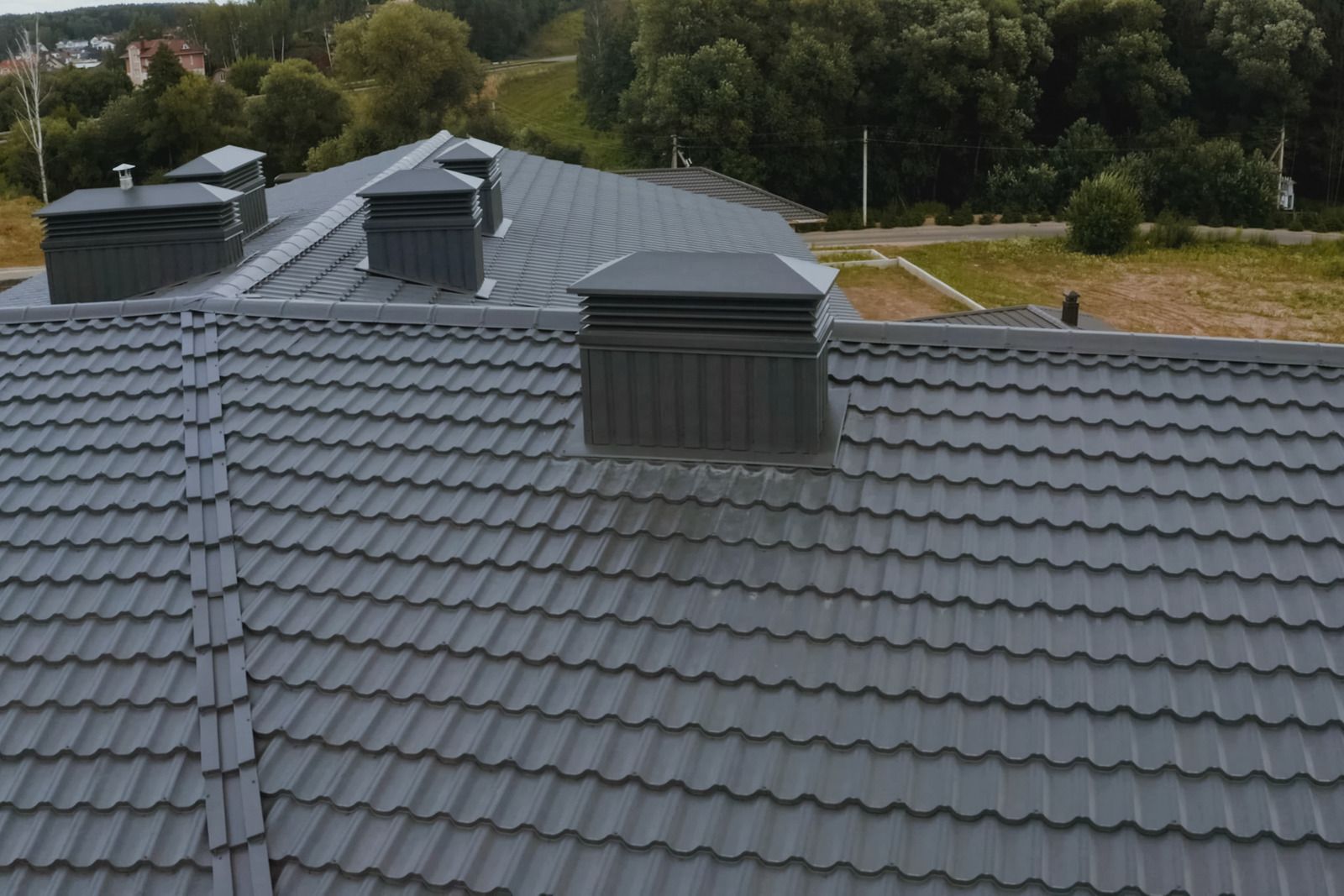
Knowing what's over your head matters. Clay, slate, and modern concrete all behave differently, and they don't all want the same treatment.
2. Why old clay tiles need a careful hand
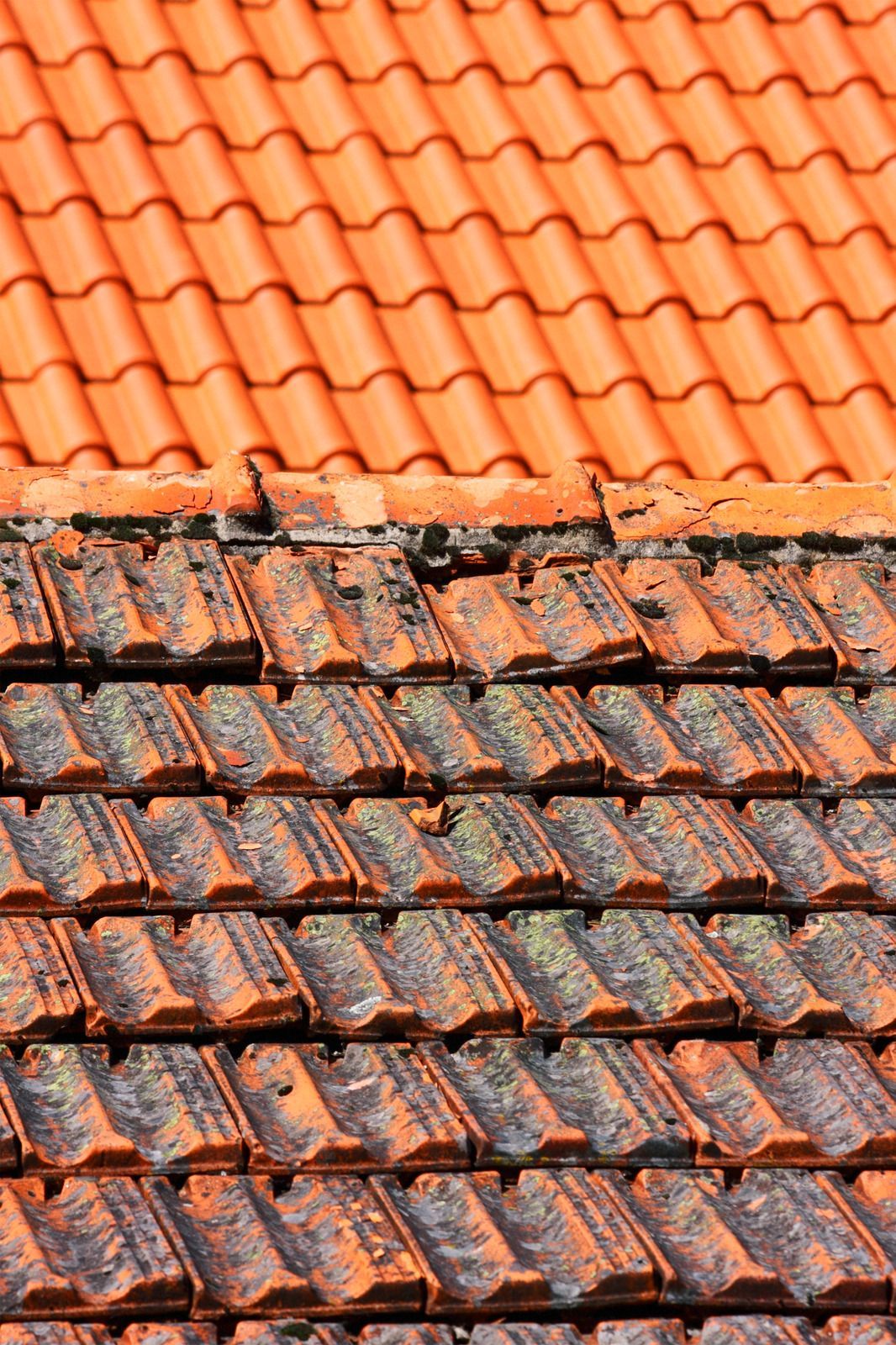
Clay is brilliant stuff. It can easily last a century. But an old tile isn't the same as a new one. Years of frost and rain wear the hard outer surface thin, and the tile underneath is softer and more absorbent.
Age also makes them brittle. A tile that's happily shed rain since the 1930s can still crack under a careless boot or a hard knock. And once one cracks, water gets in behind it.
That's the whole reason we don't treat these roofs like a patio. They need respect.
3. Why the jet wash is the wrong tool
It's tempting, I'll admit. A powerful jet wash blasts moss off fast and looks satisfying. But on an old Nuneaton clay roof it's genuinely damaging.
High pressure tears off the weathered top layer of the tile, exposing the softer clay beneath. That newly bared surface then soaks up water faster and grows moss quicker than before. So you get a roof that looks clean for a season, then greens up worse than it started. You've paid to make the problem grow.
Here's my honest opinion after years of this work: pressure washing an old clay roof is one of the worst things you can do to it.
4. How soft washing actually works
Soft washing is the sensible answer. It uses low-pressure water, so nothing gets blasted off, and the moss is cleared gently, often by hand for the thicker clumps.
Then comes the important bit. We treat the tiles with a biocide that kills the moss, algae, and lichen spores down at the root. That's what stops it all charging straight back. The roof keeps getting cleaner for weeks after we've packed up and left.
It's slower and more careful than a quick blast. But it's the method that keeps a Victorian roof sound for another generation.
5. The bits people forget about
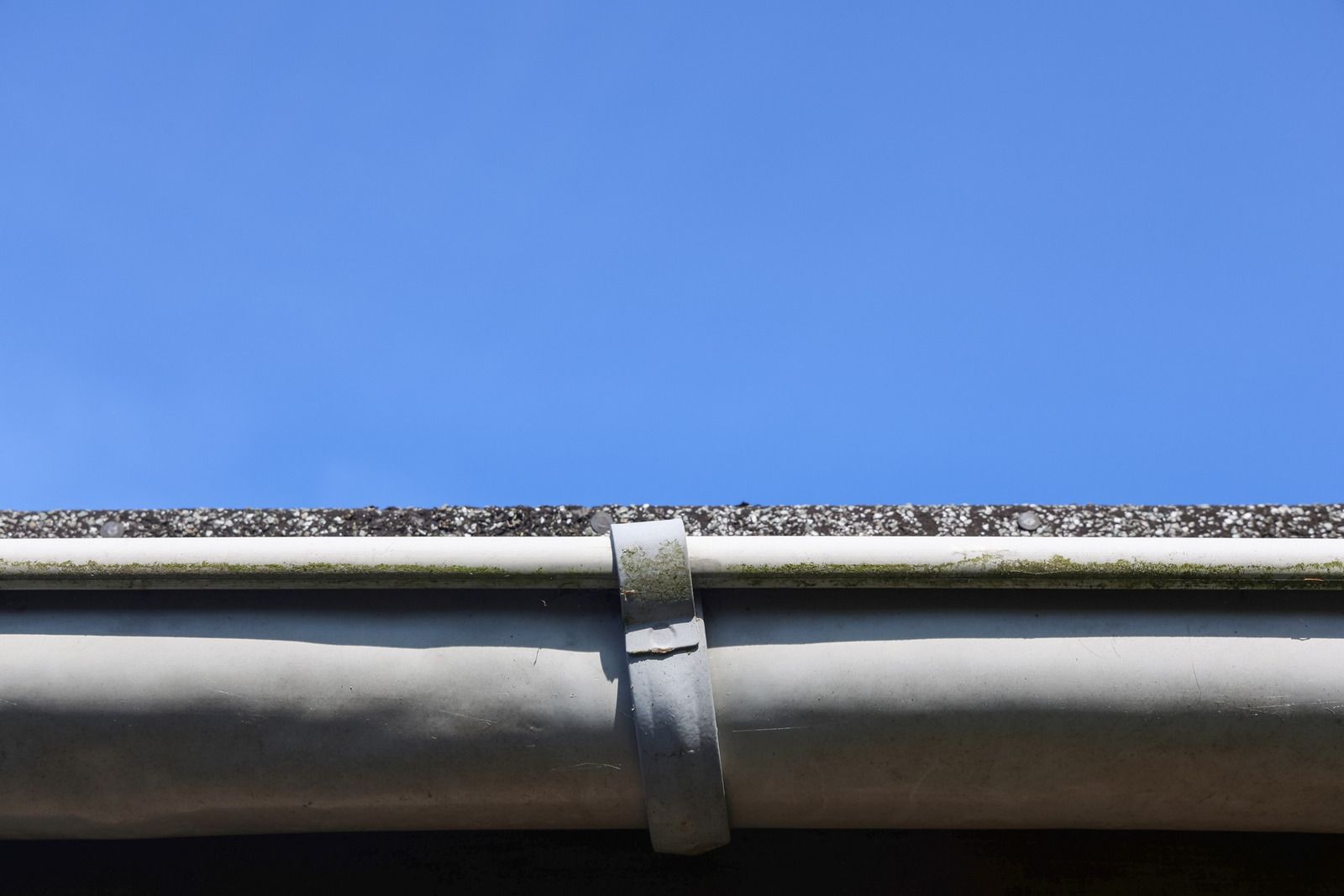
A terrace roof isn't just tiles. There are ridge lines, valleys between roof sections, chimney flashings, and the gutters running along the edge. Each one needs checking while the work's being done.
On older Nuneaton terraces the mortar holding ridge tiles can be crumbly, and shared party walls between houses mean a problem next door can become yours. A proper clean is also a chance to spot these things early.
Watch out for these on an older roof:
- Loose ridge tiles where old mortar has gone soft and powdery.
- Cracked or slipped tiles that let water in behind them.
- Worn flashing around chimneys and where roofs meet walls.
- Blocked valleys packed with moss and leaf debris.
- Sagging gutters pulling away under the weight of muck.
6. Keeping a cleaned roof clean
Once a roof's been softly washed and treated, the job is to hold that line. The biocide does most of the heavy lifting, slowing regrowth for a good while.
After that, it's about the small stuff. Keeping gutters clear so water drains properly. Cutting back branches that shade and drip on the tiles. Booking the odd check so nothing creeps back unnoticed. Given the damp, inland climate here, no roof stays pristine forever, but a well-treated one stays respectable for years.
Frequently Asked Questions
How can I tell if my roof is clay or concrete?
Older Nuneaton terraces are almost always clay, often red or blue. Clay tiles have a slightly warmer colour and finer edges. If your house is Victorian or interwar, it's very likely clay.
Will soft washing get my roof as clean as a jet wash?
Yes, and it stays clean longer. The biocide keeps killing spores after the visit, so the roof brightens over the following weeks rather than greening straight back up.
Is my old roof too fragile to clean at all?
Almost never. It just needs the gentle, low-pressure approach rather than heavy machinery. Careful handling is exactly the point.
What if you find a cracked or slipped tile?
We'll flag it so you know. Spotting it during a clean is far better than finding out through a damp patch on your ceiling.
How often should a terrace roof be cleaned?
In this climate, every few years tends to be plenty once it's been properly treated. It depends on shade, trees, and which way your slopes face.
Got an older terrace roof that needs a careful clean?
Ben's Roof Cleaning works across Nuneaton and Warwickshire, with over 15 years of experience. Get in touch or call 07889 127153
for a free, no-obligation quote.
Old roofs reward a gentle touch
The terraces that give Nuneaton its character have stood through a lot. Their roofs deserve better than a rough blast that ages them faster.
Clean them gently, treat them properly, and check the details while you're up there. Do that, and a hundred-year-old clay roof carries on doing its job without complaint.